
It is becoming increasingly difficult to protect our attention.
Phones, notifications, emails, obligations, overthinking, stress, and constant stimulation compete for focus almost every minute of the day.
This is why so many people ask:
“Why do I lose focus so easily?”
The answer is rarely a simple lack of discipline. Focus is affected by digital overload, mental fatigue, poor prioritization, constant stimulation, inadequate recovery, and habits that train the brain to switch attention repeatedly.
Understanding why focus disappears is the first step.
The next is learning how to rebuild it.
1. Digital Overload Fragments Your Attention
How Constant Switching Trains the Brain for Distraction
Constant access to devices fragments attention.
Most people today no longer have moments of real silence.
The phone is always nearby.
Notifications never fully stop.
Even when we are resting, our brains often remain connected to messages, videos, emails, social media, or endless streams of information.
Digital overload happens slowly.
At first, it feels normal.
Convenient.
Even productive.
But over time, many people begin noticing anxiety, mental exhaustion, trouble sleeping, irritability, shorter attention spans, and difficulty staying focused on one thing for longer periods of time.

Check Your Actual Screen Time
The problem is not only the amount of information.
It is the constant switching of attention.
Your brain never fully settles down. It jumps from one stimulus to another. One message. One reel.
One email.
One thought.
Then another. And another.
After enough repetition, the mind almost becomes trained for distraction instead of focus.
Face the Problem Without Judging Yourself
How many hours a day do you spend on your phone, tablet, or other devices when you already know it is not for work, learning, or anything truly important?
It is really important to know your “why.” Not for self-torture or self-judgment, but simply to honestly see and admit where you are.
Expect Setbacks and Relapses
Do not become one of those people who deny the problem by saying, “It’s nothing,” or one of those people who constantly attack themselves because of their bad habits and mistakes.
Neither approach is healthy.
The first is denial, which usually leads nowhere.
The second is emotional self-torture and staying trapped in the role of a victim.
In many ways, they are simply two sides of the same coin.
A healthier approach is acknowledgment. Facing the issue as it truly is, not as we wish it to be.
We should have a clear vision of what we want. Do we really want to spend so much time on digital devices? And if not, then we need a realistic plan and clear goals that slowly move us toward the desired state.
Setbacks Will Happen
And most importantly, do not give up when the first obstacle appears.
One of the best pieces of advice I can give regarding obstacles is this: expect setbacks and relapses. Plan for them mentally in advance.
They will happen.
That is part of the process.
You cannot spend 10 or 15 years building a habit and then expect it to disappear in one afternoon. Life does not work that way.
Take time.
Make a plan.
Set realistic goals.
Focus on one change at a time.
Replace old habits with healthier ones.
And above all, do not give up.
No matter how many setbacks, relapses, or bad days happen, get up again and continue.
Eventually, your habits will begin to change.
2. Mental Fatigue Makes Concentration Harder
The decision-making brain tires quickly without breaks.
What Mental Fatigue Feels Like
Mental fatigue is a decline in cognitive performance following prolonged mental effort. In simple words, the brain becomes exhausted. Not physically, but mentally and emotionally.

And many people today live in that state almost constantly.
You wake up and immediately start making decisions.
Messages.
Emails.
Responsibilities.
Deadlines.
Problems. Notifications. Work pressure.
Family pressure.
Financial pressure.
Constant thinking.
The brain never fully stops.
How Mental Fatigue Can Lead to Burnout
Over time, this leads to exhaustion, reduced motivation, irritability, weaker concentration, slower thinking, procrastination, and more mistakes in everyday life. Even simple tasks can start to feel mentally heavy.
Mental fatigue is different from physical fatigue. Your body may technically be rested, but your mind feels overloaded and drained.
One of the biggest problems with mental fatigue is that people often continue pushing themselves even harder instead of recovering.
More coffee.
More stimulation.
More work.
More scrolling.
More pressure.
But eventually, focus collapses under overload.
Recovery Is Part of Focus
That is why real recovery matters. Silence matters. Sleep matters. Time away from screens matters. Walks matter. Mental rest matters.
Focus is not built only through discipline.
Focus is also built through recovery.
3. Poor Prioritization Pulls Focus in the Wrong Direction
Urgent tasks often crowd out important long-term goals.
This is one of the most important things to understand if you want to improve focus and productivity. Most people are not losing focus only because of phones, stress, or distractions. Many people lose focus because they constantly focus on the wrong things.
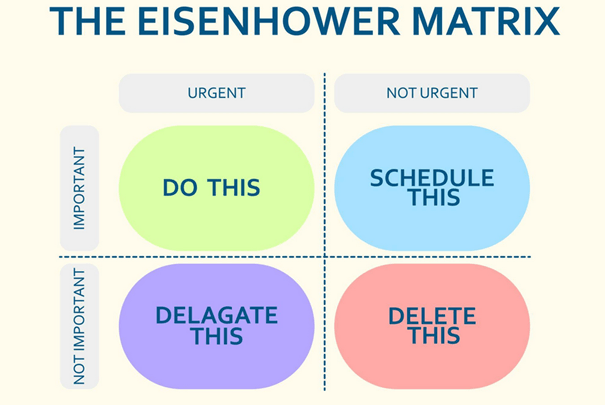
We have to differentiate between:
- important matters,
- unimportant matters,
- urgent matters,
- non-urgent matters,
- urgent and important matters,
- and matters that are neither urgent nor important.
Some categories speak for themselves.
Urgent and Important Tasks
Should usually come first.
You should have them clearly written down, scheduled, and ideally completed as early in the day as possible.
If you avoid them, they tend to create background stress all day.
That pressure slowly drains mental energy.
Very often, when you complete one important and urgent task early in the morning, the whole day immediately feels lighter and more organized.
You feel satisfied because the difficult part is already behind you.
Tasks That Are Neither Urgent nor Important
On the other hand, tasks that are neither urgent nor important should seriously be questioned. Many of them should probably not even be on your list.
If something is not truly necessary, ask yourself honestly:
“Do I even need this?”
There are many things in life that unnecessarily occupy our attention. Just like endless scrolling on the phone, many obligations mentally take up space without adding real value to our lives.
Sometimes we also hold onto tasks emotionally, just like people hold onto old clothes they no longer wear. Not because they are useful, but because they have become psychologically familiar.
But everything in life takes space.
Physical things.
Mental things.
Emotional things.
Tasks.
Obligations.
Thoughts.
And because our attention is limited, we must make wiser decisions about what deserves space in our lives.
Focus on what is truly meaningful, useful, and important.
Cut unnecessary noise whenever possible.
The relief you feel afterward can be enormous.
The more difficult category is usually the middle ground.
Important but Not Urgent vs Urgent but Not Important
Personally, I believe the important things deserve the most attention. Those are often the things that slowly build your future, your health, your relationships, your business, and your inner stability.
Urgent matters still need attention, of course. But first, ask yourself whether they are truly important or simply loud and demanding.
That difference matters more than people realize.
Start Difficult Tasks Earlier
One tactic that works very well for me is simple:
If something is important, difficult, and urgent, I try to start it as early as possible.
And if the task is larger or emotionally unpleasant, I break it into smaller blocks.
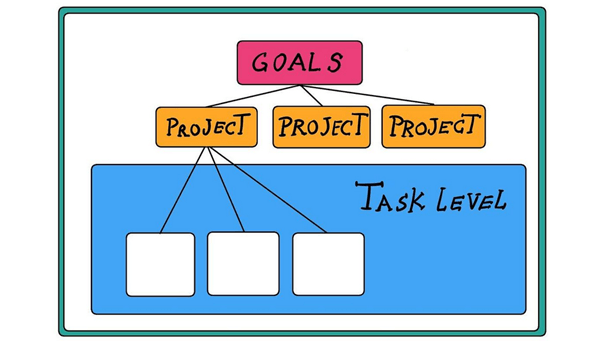
For example, if I know my car registration is due in one month and I need to visit the mechanic beforehand, my natural tendency is to put it off until the last moment. Then stress appears, frustration appears, and everything becomes chaotic.
I noticed I used to do the same with legal work connected to deadlines.
So I changed the system.
Complete One Small Step at a Time
Instead of waiting for pressure, I start earlier and work in smaller steps.
One small task.
One small decision.
One small block at a time.
That way, even if I only complete a small part during the day, I still feel a sense of progress rather than pressure.
And more often than not, the work gets finished before the deadline.
Without panic.
Without frustration.
Without anger.
I tried many different strategies over the years regarding urgent and unpleasant tasks. Most of them failed because I still waited emotionally until the last moment.
But breaking difficult things into smaller blocks consistently works.
Almost every single time.
Constant Stimulation Weakens Your Ability to Focus
Modern science, psychology, and digital development have joined forces in one extremely powerful direction.
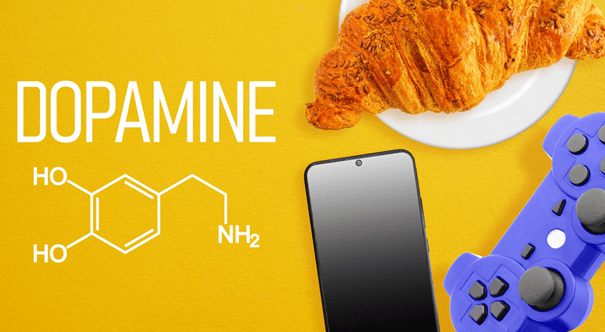
They discovered how to maximize dopamine stimulation in ways that attract almost every human being into behaviors that are often not beneficial for them.
And even when people know this consciously, they still struggle to resist it.
The ego always finds a reason:
“I’m just checking something quickly.”
“I’m learning something useful.”
“I just need a short break.”
“I deserve to relax for five minutes.”
The problem is that these small dopamine injections slowly become patterns, and patterns slowly become addictions.
That is why one of the only real solutions is physical separation from constant stimulation.
Clear boundaries.
Clear rules.
Clear limits regarding how much time we want to spend inside these dopamine-driven systems.
This is extremely important.
And here you need to understand something very uncomfortable:
Digital Platforms Are Competing for Your Attention
Inside these platforms, you do not really have friends.
Every video, every reel, every endless scroll, every TikTok, Instagram story, Facebook feed, or even “interesting” article is competing for your attention.
And attention today is money.
Do not create illusions that all of this is happening because somebody deeply cares about your well-being.
Most digital platforms are designed to keep you emotionally stimulated and psychologically engaged for as long as possible.
That is how the system works.
Use Technology Intentionally
And yes, sometimes you really are searching for something useful. Maybe you open TikTok to look for cooking ideas, productivity advice, training videos, or information that genuinely interests you.
But there is a massive difference between intentional searching and random scrolling.
If you consciously decide:
“I want to learn how to cook this specific meal.”
And you search directly for that information, that is one thing.
But if you open social media during work because you became bored, anxious, emotionally uncomfortable, or mentally tired, and then start randomly consuming content under the excuse of “looking for useful information,” that is something completely different.
The intention matters.
One approach is focused and conscious.
The other is emotional escape mixed with dopamine stimulation.
How Useful Searches Turn Into Endless Scrolling
There is also another hidden trap most people do not notice.
Even if you intentionally open your phone for something useful, digital algorithms are incredibly good at understanding your habits, emotions, weaknesses, and attention patterns.
You may start by searching for cooking recipes, but within minutes, the system pushes something emotionally stronger, more entertaining, more stimulating, or more addictive.
One video becomes another.
Then another.
Then another.
And suddenly, 30 minutes disappear.
Only afterward do you realize:
“I was supposed to cook lunch.”
This is deeply connected to dopamine and constant stimulation.
And that is exactly why it becomes one of the biggest enemies of focus.
Because it feels pleasant.
It feels easy.
It feels rewarding.
That is what makes it dangerous.
And because of that, we have to fight it consciously and intentionally, with structure, boundaries, discipline, and awareness.
Why Silence Feels So Uncomfortable Today
Today, more than ever, silence has become our imaginary enemy, even though it is not one.
Imagine spending 16 to 18 hours a day, constantly surrounded by information being pushed into your mind from every direction.
Wherever you turn, something demands your attention. Notifications. Videos. Music. News.
Messages.
Social media.
Silence starts feeling strange.
Boring.
Uncomfortable.
Sit for two minutes at a bus station or in a doctor’s waiting room and observe people around you.
How many people today sit there without a phone in their hands?
Thankfully, there are still some exceptions. But they are becoming rare.
Many people cannot tolerate even a few seconds without stimulation. Some use the phone for only 20 or 30 seconds between two activities, quickly checking something before moving on.
But that constant interruption slowly destroys our ability to simply be present.
And in many ways, that is exactly what is hurting us.
Because silence is not empty.
Important things happen in silence.
Creativity happens in silence.
Reflection happens in silence.
Meditation, mindfulness, emotional processing, calmness, and recovery all happen in silence.
Constant Stimulation Keeps the Mind Activated
If you never allow silence into your life, especially when it feels uncomfortable, you will never truly calm your body or your mind.
The nervous system will remain constantly activated. Thoughts will continue racing. Stress will continue accumulating.
And eventually, the consequences will appear somewhere. In the body. In sleep. In anxiety. In emotional exhaustion. In health problems.
Many people are searching for peace while constantly escaping the very conditions that create peace.
And silence is one of those conditions.
Learn to Sit Without Escaping
One of the healthiest things you can learn today is simply sitting without immediately escaping into stimulation.
No phone.
No scrolling.
No constant noise.
At first, it may feel uncomfortable. Your brain will search for a distraction almost automatically. That is normal.
But over time, silence slowly rebuilds your attention, emotional stability, and inner calm in ways constant stimulation never can.
How to Rebuild Focus in a Distracted World
Remove Unnecessary Notifications
Turn off alerts that do not require immediate action. Every unnecessary interruption trains the mind to expect another interruption.
Create Device-Free Focus Periods
Start with twenty or thirty minutes. Put the phone in another room and work on one task only.
Choose Three Priorities Each Day
A long list creates mental noise. Three clear priorities make it easier to direct attention deliberately.
Protect Sleep and Mental Recovery
Focus weakens when the brain is tired. Sleep, movement, silence, and breaks are part of concentration, not rewards for finishing work.
Practice Doing One Thing at a Time
Avoid switching repeatedly between messages, tabs, tasks, and conversations. Attention becomes stronger through repeated single-task practice.
Rebuild Focus Gradually
Do not expect hours of uninterrupted concentration immediately. Begin with short periods and increase them gradually.
Focus Is Something You Train
Rebuilding focus today is not only about productivity. It is about protecting your mind, your attention, and your inner peace.
The modern world is designed to distract you constantly, which means focus must become a conscious decision and daily practice.
Start with small changes.
Reduce unnecessary stimulation.
Create moments of silence.
Protect your sleep.
Set clearer priorities.
Work on one task at a time.
Do not expect your focus to return overnight. Like any meaningful skill, concentration is developed gradually through repetition and consistency.
Every time you resist an unnecessary distraction, you strengthen your ability to focus. Every moment of intentional attention trains your mind to stay present instead of constantly reacting to the next notification, thought, or interruption.
Over time, discipline becomes a habit.
Habits become your way of working.
And your ability to focus becomes part of who you are.
In the end, focus is not about eliminating every distraction.
It is about learning to choose, again and again, what truly deserves your attention.
Because where your attention goes, your life follows.